
Your Technical Translation
Scientific and technical translation for documentation where precision is non-negotiable: manuals, specifications, scientific and medical publications. Consistent terminology, conceptual rigour and maximum clarity for the end user.

Consistency
Harmonized technical terminology throughout the document

Clarity
Precise, objective and unambiguous instructions

Accuracy
Strict adherence to the meaning and content of the original text
What is technical translation?
Technical translation consists of transferring specialised texts from one language into another while accurately preserving the meaning, terminology and professional style of the sector. Its aim is to ensure that the target audience understands the original content without ambiguity, with conceptual accuracy and stylistic coherence.
- Installation, user, maintenance and repair manuals
- Technical specifications and data sheets
- Regulatory and compliance documentation
- Installation safety reports
- Patents
- Specialised scientific publications
Main features:
- Consistent use of specialised terminology
- A clear, objective and unambiguous structure
- Adherence to the original content, avoiding subjective interpretations
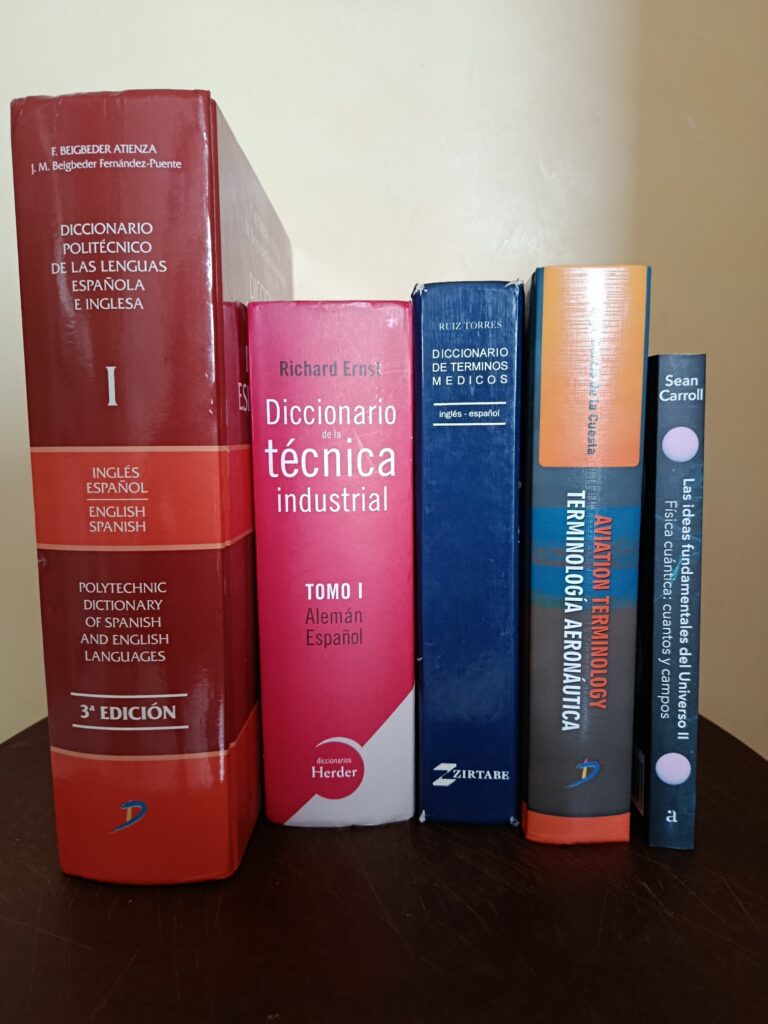
Areas of specialisation
I work in fields where technical language requires terminological precision and a real understanding of the content.
Science
Research articles, study protocols, publications and scientific documentation. Terminological rigour and correct scientific notation to ensure data are reproducible and reliable.
Technology
Robotics, automation, machinery, energy, automotive, aviation and more. Clear, coherent instructions also in charts, tables and figures.
Medical devices
Biomedical and healthcare documentation where quality may affect patient safety. Precise medical terminology and thorough quality control.
Mountaineering
Technical translation of equipment, safety and specialised content. Real field jargon and up-to-date terminology for expert users.
Tools and resources in translation today
Modern technical translation relies on tools that improve consistency, increase efficiency and reduce errors. This does not mean “machine translation“»: the translation is carried out by a person, while the tools are used to control quality and maintain coherence.
Translation memories (TM)
Databases that reuse previously translated segments for the same client or manufacturer. They guarantee terminological uniformity and speed up projects with repetitive text, such as manuals, regulations or brand legal notices.
Glossaries and terminology databases
Lists of technical terms with validated equivalents and, sometimes, definitions and context. They make it possible to adhere respect terminology approved by standards, organisations or the client.
CAT tools
(Computer-assisted translation)
Programs that integrate translation memories, glossaries and quality checks; they allow change tracking and collaborative work on large projects. Current versions may integrate AI as support, without replacing human judgement.
Machines translate sentences. A specialised translator understands the content, applies a consistent approach and ensures that every technical term is used accurately.
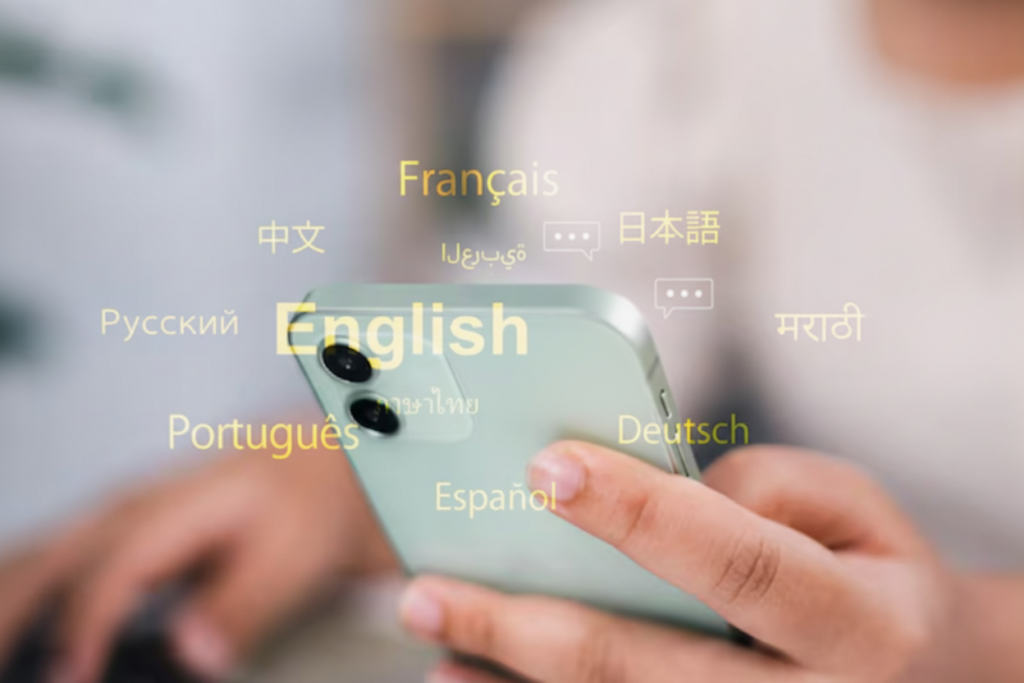
Machine translation: useful as support, unreliable without expert review
Machine translation has improved in fluency and speed thanks to artificial intelligence. It can be useful for general texts or drafts, but in technical and scientific fields it does not guarantee terminological precision or overall coherence.
Why it fails in technical texts:
- Tiende a alternar entre sinónimos, creando incoherencias terminológicas
- It lacks understanding of technical nuances or relationships between different parts of the document
- It handles acronyms, parameters, abbreviations, equipment names and grammatical gender poorly
- It does not “name” new terms with functional judgement or client validation
Examples of risk
Scientific texts
Errors in notation, units or concepts can affect the author’s credibility and the quality of the publication.
Medical devices
An error in dosage, warnings or procedures may have direct consequences for patients and healthcare staff.
Industrial machinery
An ambiguity or omission, for example a missing “not”, can cause start-up failures, breakdowns, production downtime or accidents.
Mountain equipment
Safety depends on precise instructions and real terminology from the sector, which is rarely well represented in machine translation engines.
What specialised human translation provides
- Detection of terminology and meaning errors
- Coherence and uniformity throughout the document (including figures and tables)
- Adaptation to the technical framework and the target audience
- Terminology creation for new developments, with client validation
- Quality control supported by memories, glossaries and advanced tools
- Judgement and sensitivity to maintain a coherent, clear and professional style
In addition, some machine translation services may involve confidentiality and data protection risks if the content is processed online.
Machines translate words. People translate meaning, context and precision.
Request a quote
Tell me the language, the field of work and the approximate word count. I will reply with a clear proposal.